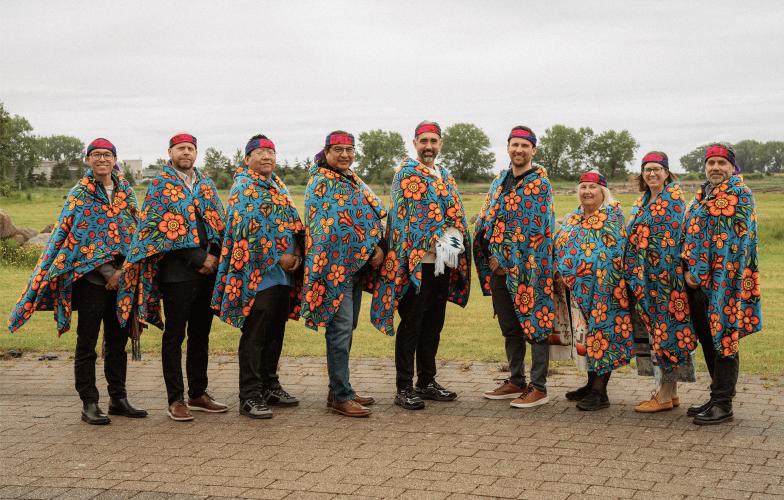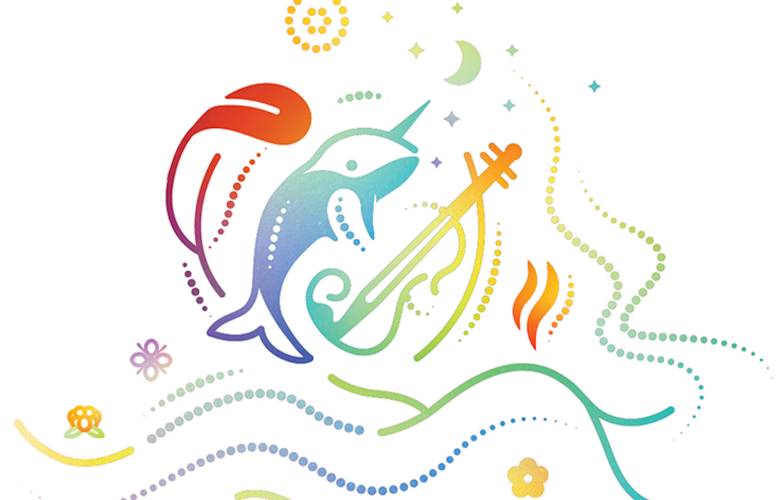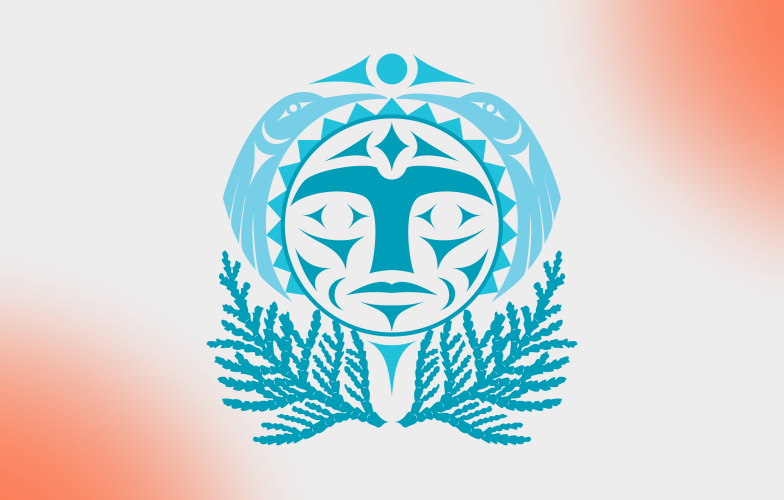
Image acknowledgment: We are grateful to share Ancestral Medicine, an original artwork by xʷməθkʷəy̓əm (Musqueam) and Tsimshian artist Chase Gray, created for Doctors of BC to honour the National Day for Truth and Reconciliation.
Reflecting on the permanent scars of residential schools
Every September, we are asked to take a moment to pause and reflect on the lasting impacts of residential schools, and the trauma, secrets, and harm that are still carried today.
Before September 30 became recognized as the National Day for Truth and Reconciliation, it was honoured at a grassroots level as Orange Shirt Day—a day that grew out of a story shared by Phyllis Webstad, a residential school Survivor, with the Truth and Reconciliation Commission of Canada (TRC). Responding to the TRC’s Call to Action 80, the day was established as a statutory holiday.
It’s a day for us to remember the children who attended residential school, the ones who carry the scars and the ones who never made it home.
The residential schools were required by the Canadian government to provide adequate medical care to the children. Despite this commitment, children who attended the government-funded, church-run institutions were injured, suffered illnesses, permanent damage, and even death.
Understanding the lasting impacts
Every Indigenous person has a direct connection to someone who attended residential school. There were generations of Indigenous children who were raised in these institutions. When nearly entire generations were taken from their community and raised without parents or family structures, it is inevitable that the generations to follow will be impacted. These traumas have been passed down generation to generation through experiences and behaviours.
Seven generations teachings
Seven generations teaching is a common lens used within Indigenous communities when it comes to reflection and decision-making.
To put into practice, think of the landscape and dynamic of the medical field today. Think of the seven generations that came before us, and how their actions got us to where we are now. Some of these actions were beneficial and led to breakthroughs while others may have led to harm. Then think of where we want to be in seven generations, and the steps we need to take to get there.
We encourage physicians to take a moment to reflect on how the medical profession and community leaders created systems that ultimately caused immeasurable harm, and how the actions of many people spanning years got us to where we are today. We must work together to move forward.
Creating meaningful space
Unfortunately, these unfathomable truths are being disgraced by conspiracy theorist and denialists. The people who spend their time trying to “debunk” these horrible truths experienced by children are loud and persistent.
On this day, the media often includes numbers in their coverage: the number of schools, the number of students, and the number of potential unmarked graves. These were, and are, children, not numbers. Each child had a family missing them, and many of these families were never reunited with their children.
Doctors of BC encourages physicians to observe this day in ways that are meaningful to them—whether by attending local events, engaging with Indigenous stories and perspectives through books or documentaries, or supporting local Indigenous artists, musicians, and businesses. Connecting with and learning from local Indigenous communities can deepen relationships with the people and the land that make our home, and help foster lasting understanding, visibility, and respect.
Learning resources
- In Plain Sight Report: Addressing Indigenous-specific Racism and Discrimination in B.C. Health Care In Plain Sight Report: Addressing Indigenous-specific Racism and Discrimination in B.C. Health Care
- Truth and Reconciliation Commission of Canada: Calls to Action
- Indigenous Residential Schools Survivors Society
- National Centre for Truth and Reconciliation
- National Inquiry into Missing and Murdered Indigenous Women and Girls
- Orange Shirt Society
- United Nations Declaration of the Rights of Indigenous Peoples (UNDRIP)
- Alhgoh Together as One, Together as Community: Pathway to Indigenous Cultural Safety from the Faculty of Medicine Continuing Professional Development at the University of British
- University of Alberta Indigenous Canada online course
- Yellowhead Institute
Community events
Books
- Truth and Reconciliation reading list from the Canadian Children’s Book Centre
Support services
- Hope for Wellness Help Line +1 855 242-3310 or hopeforwellness.ca for online chat (Available to all Indigenous people across Canada)
- Indian Residential School Survivors Society +1 800 721-0066 (Support for Residential School Survivors and their families)
- The KUU-US Crisis Line +1 800 588-8717 (Support provided to Indigenous people throughout the province of British Columbia)
- Métis Crisis Line BC +1 833 638-4722 (Support for Métis people throughout the province of British Columbia)
- The National Indian Residential School Crisis Line +1 866 925-4419 (Provides 24-hour crisis support for residential school survivors and their families)