ya:y̓əstəl̕
The name ya:y̓əstəl̕, in the hən̓q̓əmin̓əm̓ language, means working together in a reciprocal way. xʷməθkʷəy̓əm (Musqueam) Elders and cultural teachers gifted the name ya:y̓əstəl̕ to the Indigenous Guiding Circle of Doctors of BC in a ceremony on xʷməθkʷəy̓əm territory following cultural protocols. Doctors of BC is grateful to Coreen Paul, xʷməθkʷəy̓əm Elder, and Grace Point, xʷməθkʷəy̓əm hən̓q̓əmin̓əm̓ speaker, for gifting the name ya:y̓əstəl̕.
ya:y̓əstəl̕ guides the Doctors of BC Board of Directors on enacting the organization’s commitments to Truth and Reconciliation and Indigenous-specific anti-racism.
ya:y̓əstəl̕ includes First Nations and Métis members who reflect diverse and broad perspectives of Indigenous ways of knowing, being, and doing, as well as professional experiences and deep knowledge of the impacts of colonization on Indigenous peoples in the health context.
ya:y̓əstəl̕ advises Doctors of BC on integrating Indigenous perspectives into Truth and Reconciliation work undertaken on behalf of the medical profession. This work includes guiding the development of the Truth and Reconciliation plan, considering the historical role of the medical profession and the association, and advising the profession and Doctors of BC on their roles going forward.
ya:y̓əstəl̕
Members of ya:y̓əstəl̕
Dr Terri Aldred (she/her)
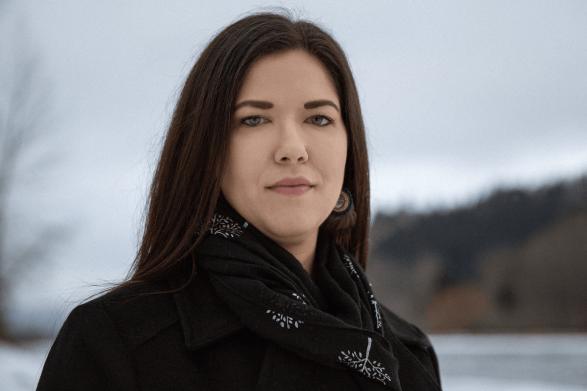
Dr Aldred is Dakelh (Carrier) from the Tl’Azt’En Nation and a proud member of the Lysiloo (Frog) Clan. She was raised between the inner city of Prince George and the Tachet reserve in Lake Babine Territory—experiences that inspired her commitment to serve and advocate for Indigenous communities through medicine.
Dr Aldred is a family physician, educator, and advocate for Indigenous health equity. She serves as Academic Lead at the National Collaborating Centre for Indigenous Health (NCCIH), Executive Medical Director of Primary Care at the First Nations Health Authority (FNHA), and provides care to 12 northern BC communities through Carrier Sekani Family Services.
A past recipient of multiple national awards, including the RDoC Mikhael Award and U of A Alumni Horizon Award, Dr Aldred is passionate about advancing culturally safe care, Indigenous leadership in medicine, and systems change rooted in community and justice. She lives on Lheidli T’enneh territory (Prince George) with her husband and two children.
Jared Basil (he/him)
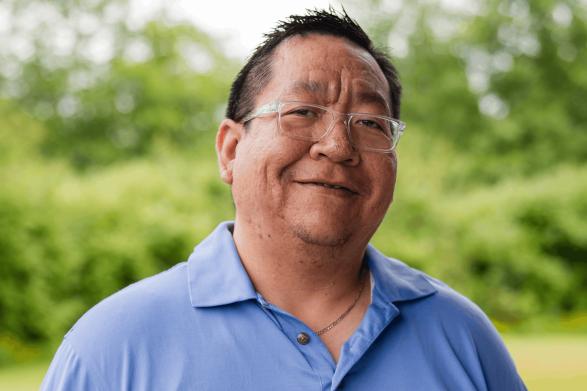
Jared Basil is a Cultural Framework Educator with the Social Sector of the Ktunaxa Nation whose work consists of cultural safety and humility trainings, presentations, as well as continuous educational opportunities derived from the Nation’s Social Sectors Practice Framework.
In conjunction with education, he continues to work with health partners to develop culturally safe spaces with the hope and intention of impacting and benefitting future generations. His work also reaches education institutions creating meaningful opportunities to learn about Cultural Safety, creating long-lasting relationships that translate to strong, healthy, conducive working partnerships moving forward.
Harley Eagle (he/him)
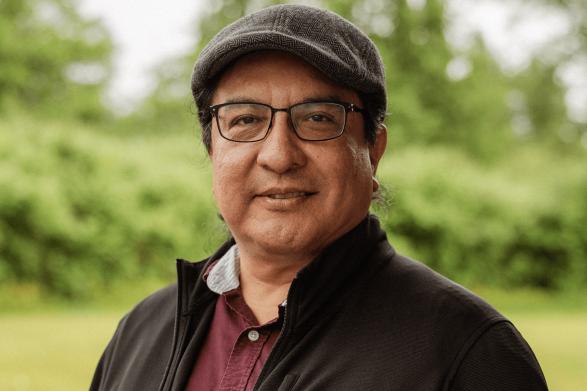
Harley Eagle is Indigenous of Dakota and Ojibway ancestry, originally from Saskatchewan. He has lived with his family at different times for over 25 years on Vancouver Island. However, in the summer of 2025, Harley and his family returned to his homeland in Treaty 6 Territory, Saskatoon, Saskatchewan.
He is an Indigenous Cultural Safety consultant who facilitates workshops and sessions that explore and build a foundation of understanding that includes an Indigenous perspective on colonization, addressing systemic racism, and Trauma-Informed Practice. He also consults with many organizations across several societal sectors to strengthen their Indigenous Cultural Safety and Humility capacity.
Heather Hastings
Heather Hastings is a member of Tsartlip First Nation, where she was born and raised. From an early age, she knew she wanted to work in a helping profession, though she did not initially plan to work in community health. While working as a hospital nurse, she felt disconnected from her patients’ lives beyond the clinical setting and became motivated to better understand their journeys once they returned home to community.
In 2011, she began working as Tsartlip’s community nurse and later became Health Director in July 2018. Heather currently serves as the Deputy Minister for Indigenous-Specific Anti-Racism and Reconciliation for the Government of British Columbia.
Dr Nolan Hop Wo (he/him)
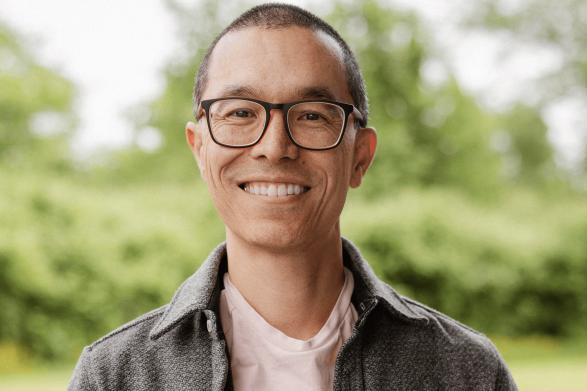
Dr Nolan Hop Wo comes from a mixed background and is Chinese Canadian through his father and Métis through his mother. He is a member of the Métis Nation of Greater Victoria and Métis Nation BC. He lives, works, and plays on unceded lək̓ʷəŋən traditional territory. He is a Medical Officer with the Office of the Chief Medical Officer at the First Nations Health Authority. He also works as a locum psychiatrist.
He completed his medical training at the University of British Columbia’s Island Medical Program in Victoria, BC, and his psychiatry specialty training at Western University in London, Ontario. Prior to that, he obtained a Bachelor of Nursing Degree at the University of Calgary. Dr Hop Wo has previous experience working as a consultant psychiatrist at a tertiary referral centre in an area with an over-represented Indigenous patient population.
Peter Lang
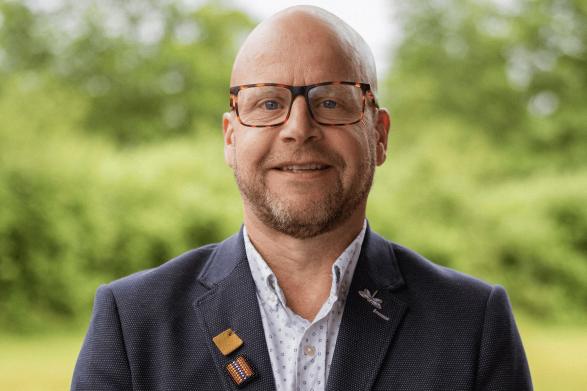
Peter Lang is a proud Métis professional with ancestral roots in Saskatchewan and Manitoba’s Red River region, and a member of Métis Nation British Columbia living on the traditional and unceded territory of the Stó:lō Nation. After more than 25 years with the Correctional Service of Canada, he retired as a dedicated advocate for First Nations, Métis, and Inuit people impacted by systemic challenges in and beyond the justice system, a commitment deepened by the loss of his son, Nick Lang, in the Youth Justice system in 2015.
Peter has served on several community and Indigenous advisory boards and spent nearly eight years as President of the Chilliwack Métis Association, guiding the organization through the COVID-19 pandemic while maintaining strong cultural connections. He is also a certified workplace investigator and facilitator specializing in labour relations, harassment prevention, mental health awareness, and workplace ethics. He holds a Bachelor of Arts in Liberal Studies and a Diploma in Criminology from Vancouver Island University.
Dr Kelsey Louie (he/him)
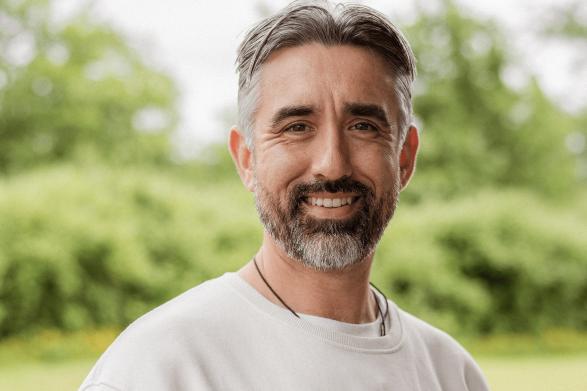
Dr Kelsey Louie is a member of the Tla’amin Nation, a family physician in qathet, and Doctors of BC’s first Chief Medical Advisor, Indigenous Health Care. In Dr Louie's leadership and clinical work, he focuses on culturally safe care, bringing together diverse ways of knowing to improve outcomes for Indigenous communities. In his new role as Chief Medical Advisor, Dr Louie leads health system transformation to advance positive health outcomes for Indigenous peoples in BC, and guides Doctors of BC’s Truth and Reconciliation plan.
Dr Miles Marchand (he/him)
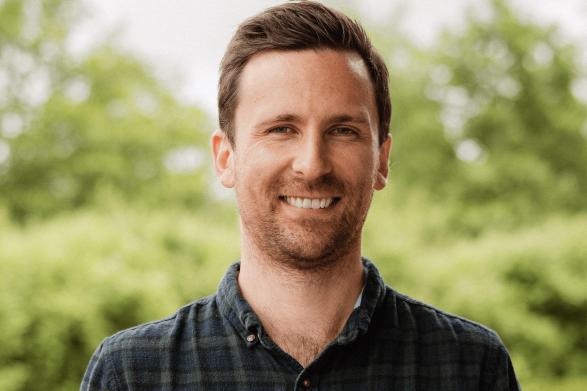
Dr Miles Marchand is a cardiologist and member of the Okanagan Indian Band of the Syilx Okanagan Nation. He works at Vancouver General Hospital and St. Paul’s Hospital, focusing on improving cardiovascular care for Indigenous communities through culturally safe and community-driven approaches. Born and raised in Kamloops, BC, he serves as the cardiologist for several First Nations communities and organizations, including the Musqueam and Squamish Nations and Carrier Sekani Family Services.
He founded the One Heart at a Time mobile cardiovascular program to bring specialist care and prevention services to rural and remote First Nations communities, and co-developed Canada’s first on-reserve Indigenized cardiac rehabilitation program, the Strong Hearts Program, with the Musqueam Nation. Dr Marchand is also Director of the Centre for Indigenous Cardiovascular Health within the Dilawri Cardiovascular Institute. He has completed extensive medical, research, and public health training at the University of British Columbia, with a focus on Indigenous cardiovascular health and health equity.
Coreen Paul
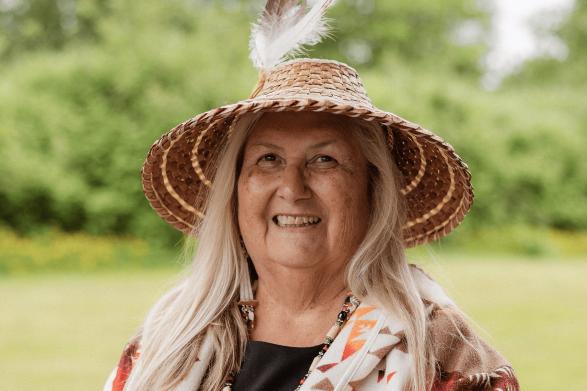
Coreen Paul is proud member of the Musqueam Indian Band, born and raised on reserve at Musqueam. After losing her Indian Status through marriage and spending 10 years away from home, she regained her status and that of her four sons following the introduction of Bill C-31 in 1985.
Returning to Musqueam, she became deeply aware of the significant health disparities faced by on-reserve communities and has since dedicated more than 30 years to advancing Indigenous health services, serving as a NADAP worker, Health Manager, and Health Director. Her lifelong mission has been to ensure Musqueam people have equitable access to culturally safe and appropriate health care and services comparable to those available to all British Columbians.
Dr Rachel Caron Williams
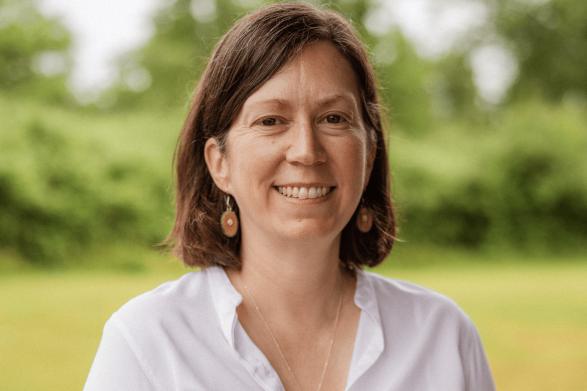
Dr Rachel Caron Williams is a Métis family physician and member of Métis Nation BC whose family roots trace back to Batoche, Saskatchewan and the Red River Settlement. Raised in several BC communities, she earned her MD and completed her family practice residency at the University of British Columbia. She has worked extensively as a locum physician across BC, including with the Nisga’a Health Authority.
She currently practices at Lu’ma Medical Clinic in Vancouver while serving as Indigenous Health Lead at Ridge Meadows Hospital. She also serves as Faculty Education and Support Lead—Indigenous Health at the new Simon Fraser University Stephens School of Medicine, where she helps integrate Indigenous knowledges and worldviews into medical education.
Dr Adam Thompson (he/him), ex-officio member
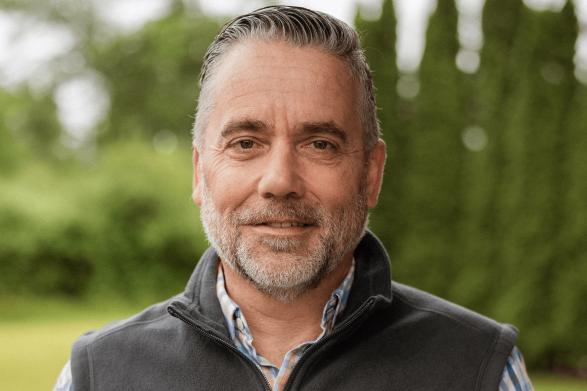
The President of Doctors of BC (Indigenous or non-Indigenous) participates as an ex-officio member of ya:y̓əstəl̕.
Dr Adam Thompson is President, Doctors of BC and a family physician in the Comox Valley on the unceded traditional territories of the Comox First Nations. Dr Thompson has served Doctors of BC in numerous leadership roles, including as Board Chair and Vice Chair.
Alongside his work at the Board level at Doctors of BC, Dr Thompson has held a variety of other medical leadership roles, including Vice-Chair of the Comox Valley Division of Family Practice, Co-Chair of the Comox Valley Collaborative Services Committee, and Comox Valley Division of Family Practice COVID-19 Physician Lead. When he is not working, he is a devoted father and husband who enjoys skiing and mountain biking.
Foundational documents
- Declaration of Commitment—Cultural Safety and Humility in Health Services Delivery for First Nations and Indigenous people in BC, signed between Doctors of BC and the First Nations Health Authority, May 2019.
- The 2022 Memorandum of Agreement: Declaration on the Rights of Indigenous Peoples and Eliminating Indigenous Specific Racism and Discrimination in Health Care, signed between Doctors of BC and the BC Ministry of Health.
- The United Nations Declaration on the Rights of Indigenous Peoples, September 2007.
- Truth and Reconciliation Commission of Canada: Calls to Action, 2012.
- In Plain Sight: Addressing Indigenous-specific Racism and Discrimination in B.C. Health Care, November 2010.
- British Columbia Cultural Safety and Humility Standard, 2022.
Read more about our commitments to Truth and Reconciliation.